
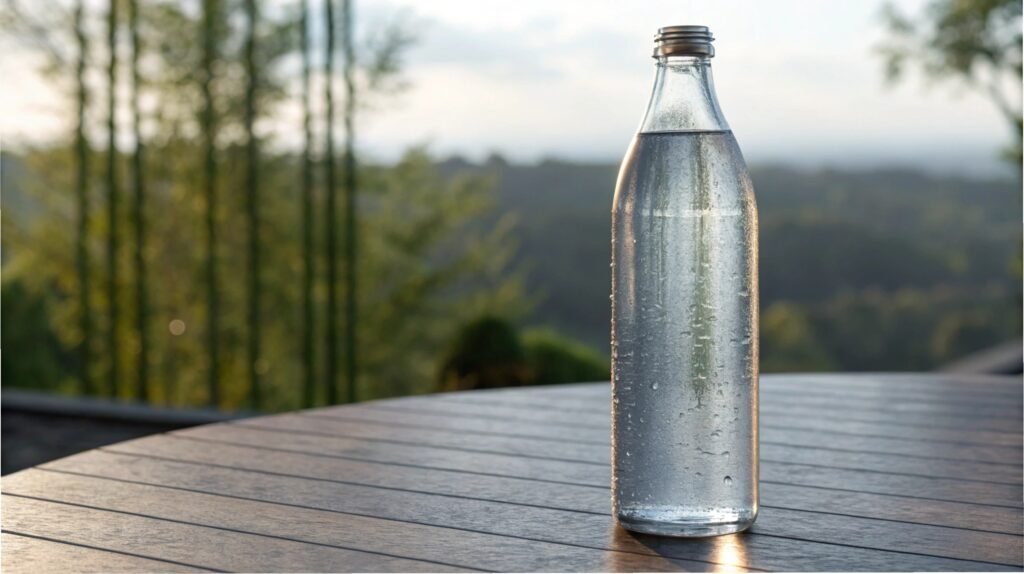
The 12 Best Non-Toxic Water Bottles for Long-Term Daily Use (Buyer’s Guide)
February 6th, 2026 The links in this post are regular links. I am not affiliated with any company.
Why Non-Toxic Water Bottles Matter
You use your water bottle every day, whether it’s at the gym, the office, the car, or next to your bed. If it’s made from questionable materials, that’s a lot of exposure.
Even many of the most popular water bottles on the market contain or leach BPA, BPS, phthalates, lead, or microplastics, especially when they come into contact with heat, sunlight, or heavy use. These chemicals have been shown to cause hormone imbalances, inflammation, and a variety of other health problems, making “just a water bottle” a much bigger deal than it initially seems.
The good news: Yes, safe, sturdy, non-toxic water bottles do exist, and they don’t have to be boring or breakable.
Each and every one of the bottles listed here has been rigorously tested for safety, made with high-quality, BPA-free materials like food-grade stainless steel, glass, and food-grade silicone. No “greenwashing” or vague claims here. Just bottles that are built for daily, long-term use without compromising your health.
This guide is for you if:
- You drink from the same bottle every day
- You care about long-term health and chemical exposure
- You want materials that are proven safe, not just “BPA-free” marketing
My Non-Toxic Standards
What I Checked Before Recommending Any Bottle
You can’t trust all “BPA-free” water bottles. Any bottle that made it on this list had to meet all of the standards below, every time. I looked at past marketing and advertising, as well as the materials, manufacturing, and transparency.
Plastic Safety (Where Plastic Is Used)
- BPA-free and free from BPA substitutes like BPS and BPF
- No hidden endocrine disruptors commonly swapped in as “safer” alternatives
No Known Harmful Additives
- No phthalates, PVC, or lead
- Includes lids, seals, straws, coatings, and internal components
Interior Materials I Trust
Only materials proven safe for long-term daily use:
- Unlined 18/8 (304) stainless steel
- Glass (Borosilicate glass, soda-lime)
- Titanium
- Certified food-grade ceramic (not decorative or mystery coatings)
No plastic linings. No epoxy coatings. No chemical barriers between your water and the bottle.
Exterior Finishes That Matter
- Lead-free, non-toxic paints or powder coatings
- Food-grade silicone grips or sleeves where applicable
- No flaking, chipping, or questionable dyes
Brand Transparency & Accountability
- Reputable brands with clear safety disclosures
- Publicly stated material specs: not vague “eco-friendly” claims
- Proven track records, testing data, or third-party certifications where available
The Bottom Line:
If a bottle didn’t meet all of these criteria, then it didn’t make the cut. Period.
This way, you can focus on style, size, and features, knowing that safety work has already been done.
Non-Toxic Water Bottles
Best Glass Non-Toxic Water Bottles
Best for purity, taste, and chemical-free drinking
For the purest water drinking experience, glass water bottles are the ultimate choice. They do not leach chemicals, retain odor, or affect the taste of the water. The only flip side to glass water bottles is that they are heavy and can shatter, which is why most of the best glass water bottles come with a silicone sleeve.
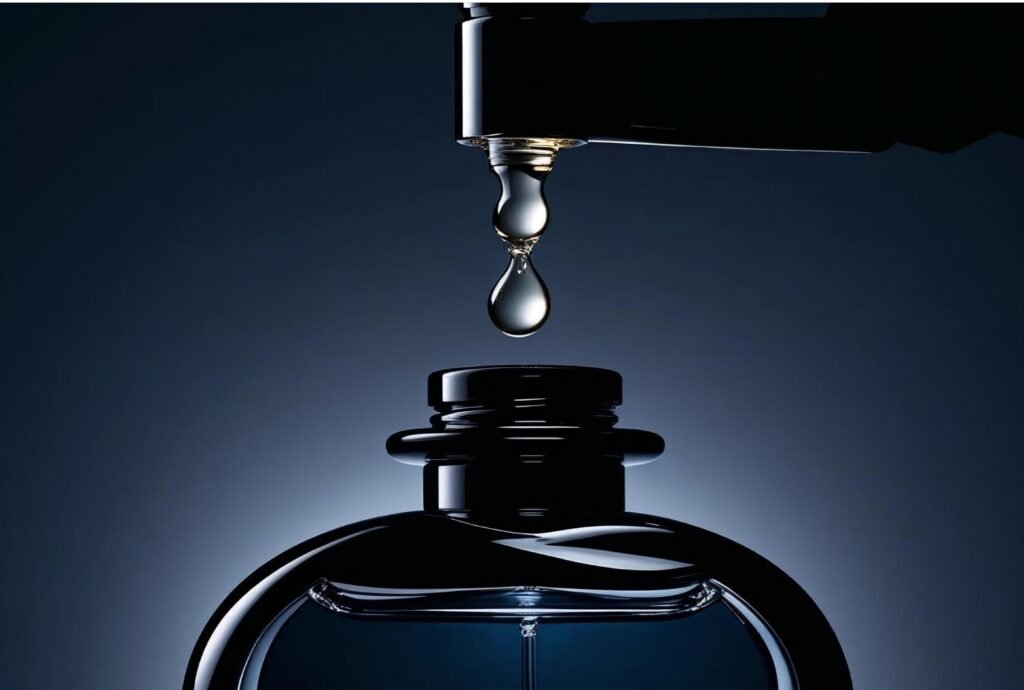
1. BKR Glass Water Bottle
Material
High-quality glass with a thick, shock-absorbing silicone sleeve.
Why it’s safe
BPA-free and non-reactive, meaning that your water will taste like water, not like plastic or metal.
Best for
Use at home, on your desk at work, or in a yoga bag.
Pros
Cons
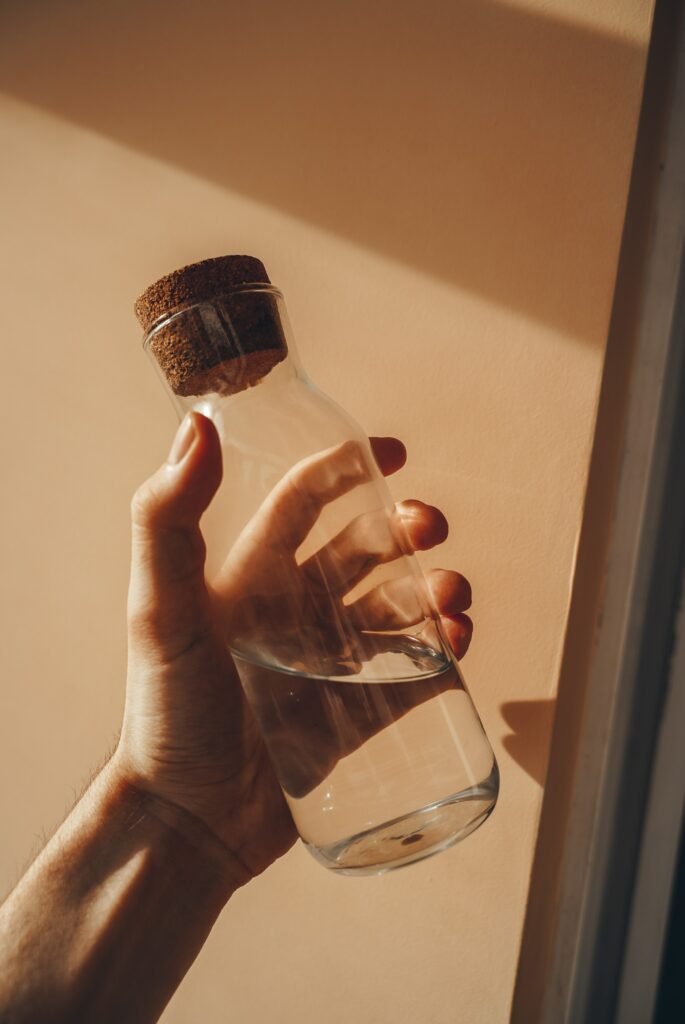
2. Lifefactory Glass Bottle
Material
Medical-grade glass with a protective silicone sleeve that is meant to last long.
Why it’s trusted
These bottles are popular due to their safety standards and durability.
Best for
This is best for families and those who prefer reliability over style.
Pros
Cons
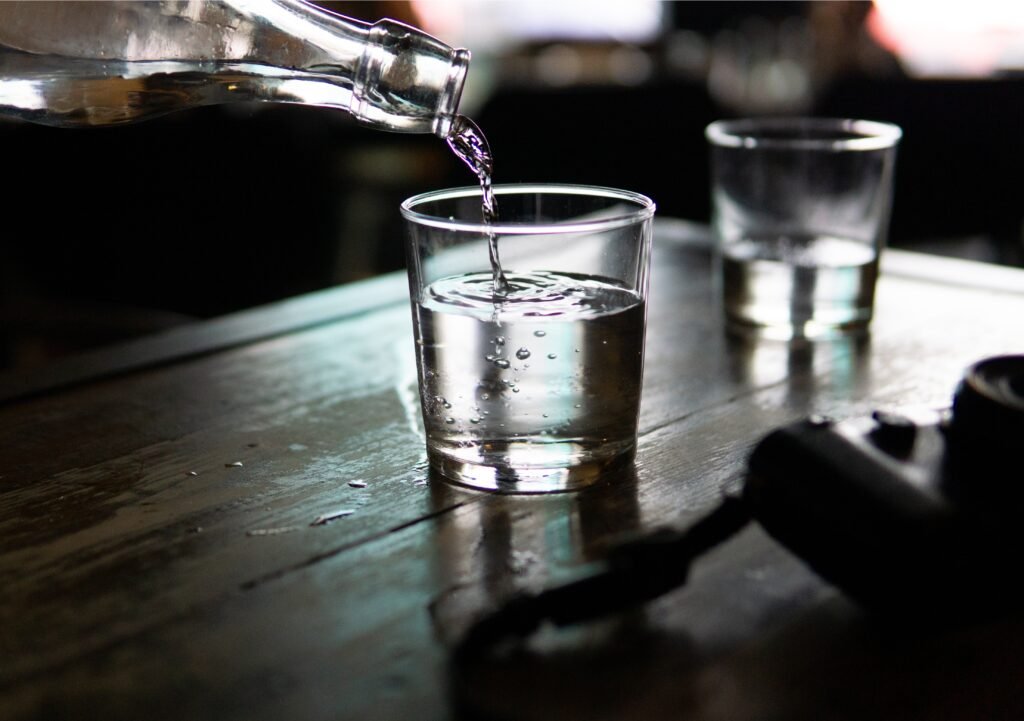
3. W&P Glass Water Bottle
Design focus
Simple design with subdued color schemes that fit into urban lifestyles.
Ease of cleaning
The glass bottle is dishwasher-friendly, making it easy to clean.
Best for
The product is best for urban lifestyles, commuting, and those who need a clean bottle design.
Pros
Cons
Best Stainless Steel (18/8) Non-Toxic Water Bottles
Durable, long-lasting, and designed for daily use
One of the safest and most durable materials for a water bottle is 18/8 food-grade stainless steel. Stainless steel is unbreakable, corrosion-resistant, and has a long lifespan. Most are vacuum-insulated for temperature control, though finishes and lid designs can affect overall safety and ease of use.
4. Hydro Flask Wide Mouth
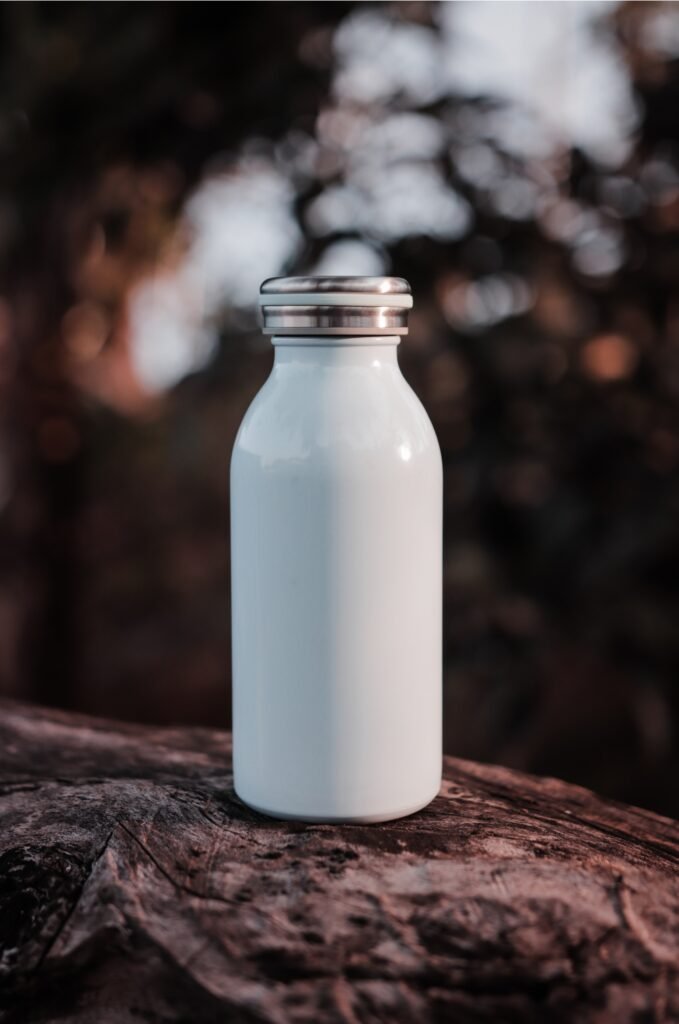
Temperature Performance
The double wall vacuum insulated construction keeps drinks cold for up to 24 hours and hot for up as long as 12, without sacrificing the durability of the steel inside.
Interior and Coating Safety
Stainless steel interior, no liner. Powder coat exterior, lead-free, and chip-resistant.
Best for
All-day hydration, travel, workdays, and the great outdoors.
Pros
Cons
5. Owala FreeSip
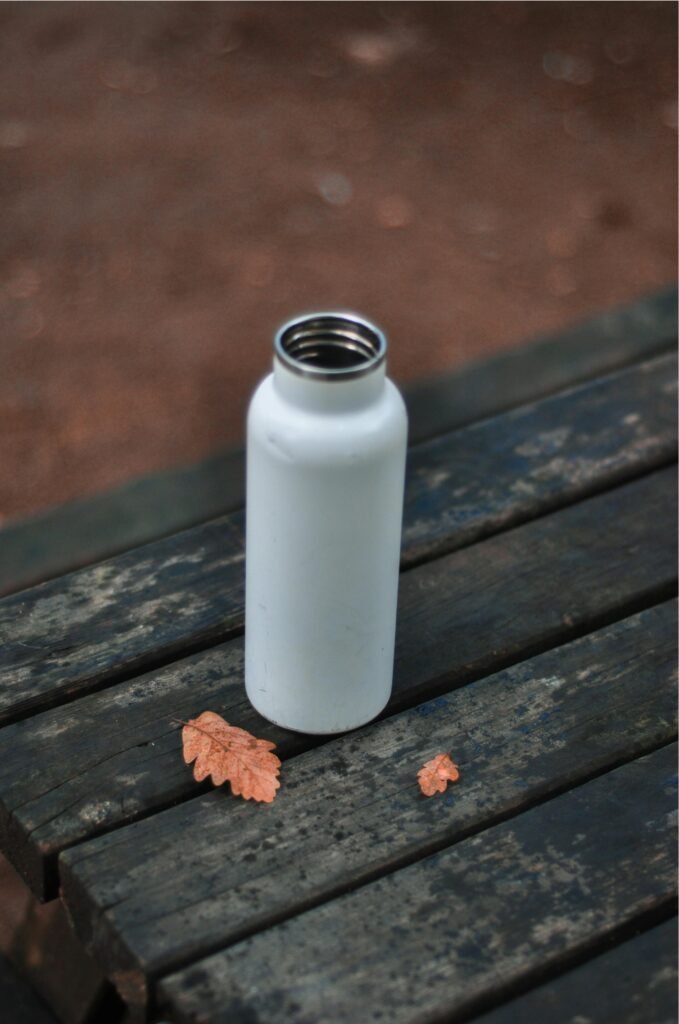
Spout Design
Unique design with a dual-purpose lid that can be used to sip through a straw and pour, all from the same opening.
Material Safety
Stainless steel interior, with the plastic parts of the lid kept away from the liquid during consumption.
Best for
Best for those who commute, go to the gym, and enjoy sipping.
Pros
Cons
6. Pura Stainless Steel Bottle
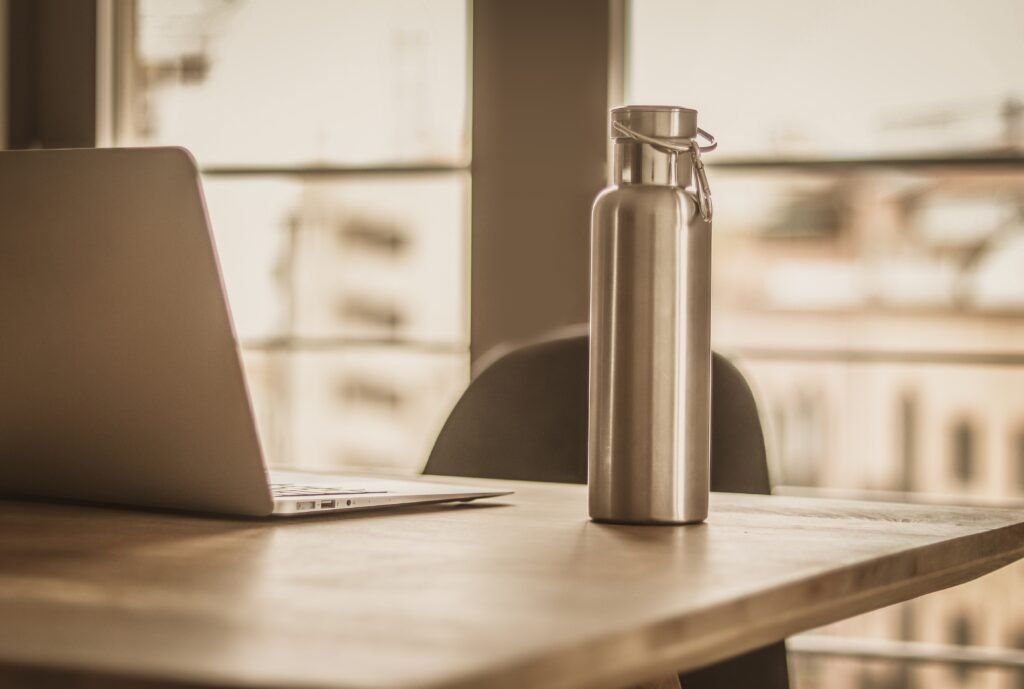
Plastic-free focus
One of the rare brands that is designed to be completely plastic-free, even using silicone tops instead of plastic.
Modular system
Interchangeable tops make it possible for the bottle to grow with users from infancy to adulthood.
Best for
Families who use zero-plastic products and individuals who are chemically sensitive.
Pros
Cons
7. YETI Rambler Bottle
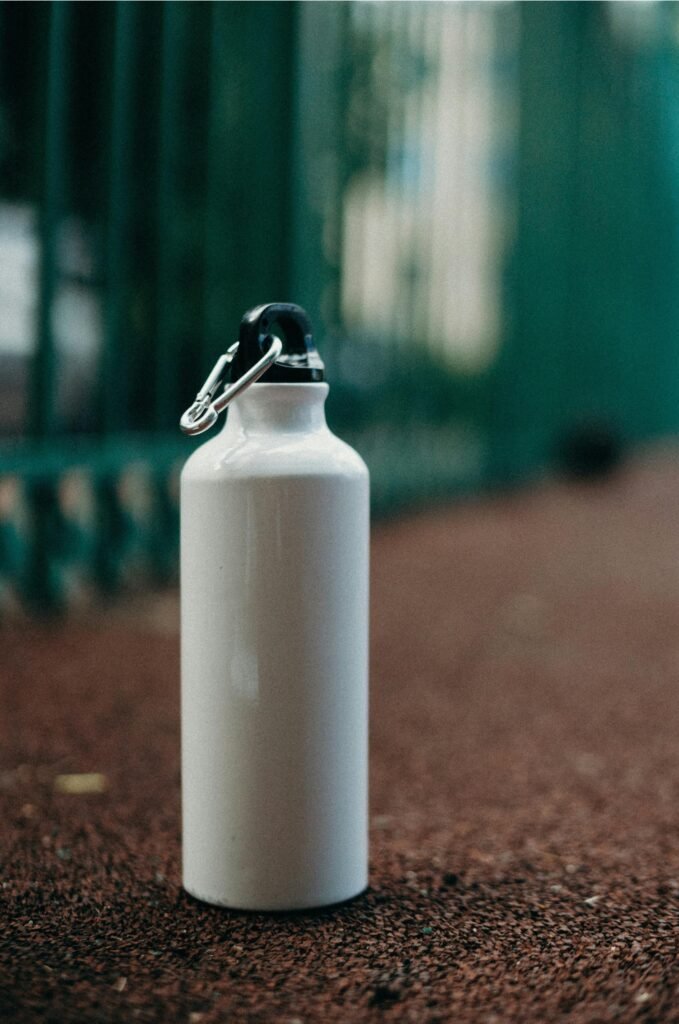
Build Quality
It is made of thick and heavy-duty stainless steel that can withstand being dropped or dented.
Interior Safety
There are no coatings or linings on the inside of the bottle; just plain old stainless steel.
Best For
It is best for rugged lifestyles and work.
Pros
Cons
8. Klean Kanteen
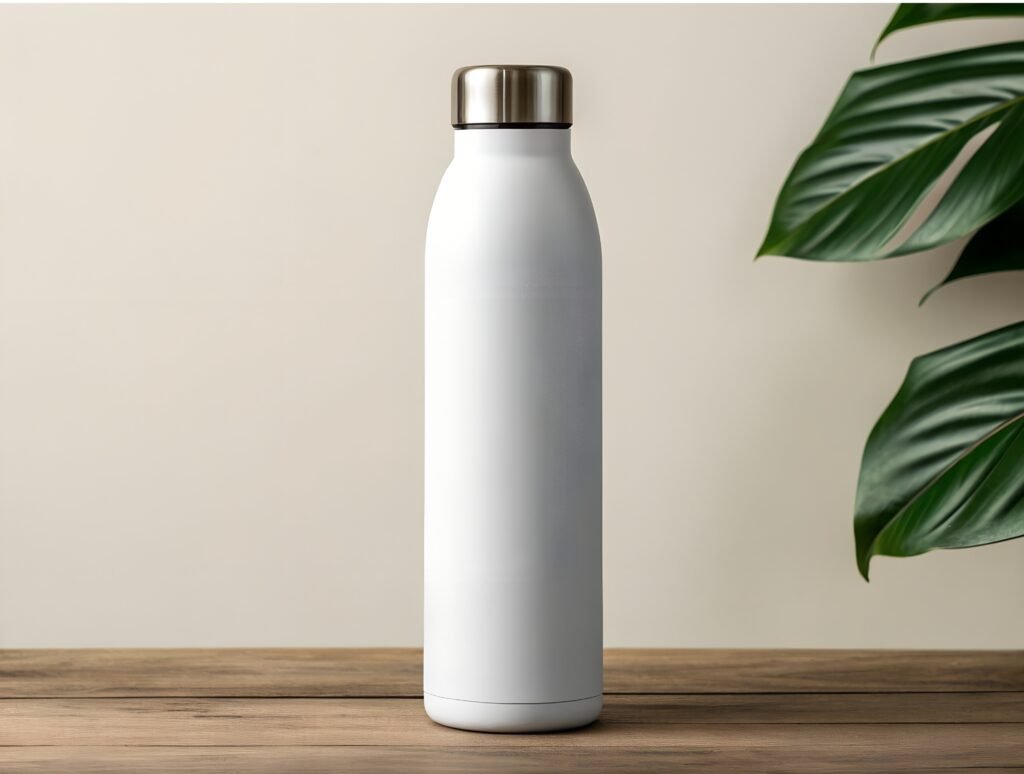
Safety reputation
As one of the pioneers in stainless steel drinking cups, with a long history of toxin-free manufacturing processes.
Interior options
It is available in standard stainless steel or with a ceramic coating for users who dislike metal taste.
Best for
For eco-warrior buyers and users who are focused on sustainability.
Pros
Cons
Best Titanium Non-Toxic Water Bottles (Ultra-Pure & Lightweight)
Premium choice for maximum inertness
Titanium is one of the lightest, strongest, and most chemically inert materials available for drinking vessels, which means it does not react with water or flavorings and is naturally resistant to corrosion. It is more expensive, but for those for whom purity and weight are priority #1, it is the best choice.
9. Vargo Titanium Water Bottle
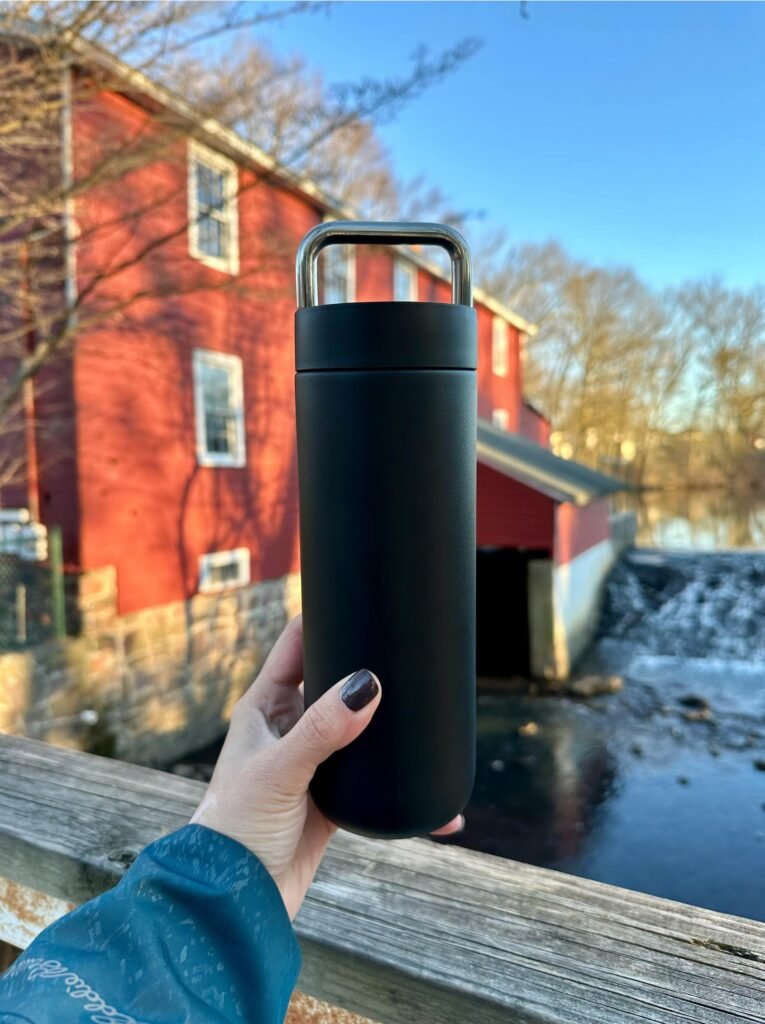
Why titanium is a big deal
Titanium is a medical-grade material that is completely non-reactive, so your water tastes like, well, water, with zero metallic aftertaste.
Light but strong
Titanium has a high strength-to-weight ratio, making it ultra-light for backpacking and traveling.
Best for
Hikers, minimalists, travelers, and anyone who wants a “set and forget” pure bottle.
Pros
Cons
10. SilverAnt Titanium Water Bottle
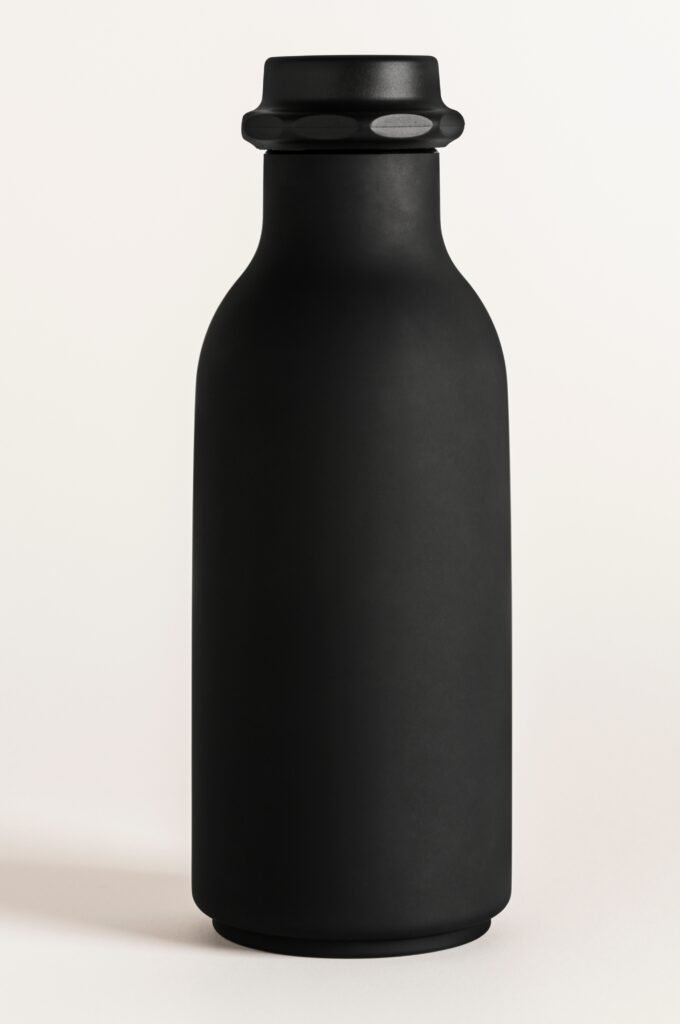
Single-wall simplicity
The straightforward single-wall design has fewer parts and no coatings, just pure metal that won’t leach into your drink.
Neutral taste
Titanium is non-reactive, so it won’t transfer any unwanted tastes or odors into your drinks, making it an excellent choice for water purists who are concerned about taste/smell.
Best for
Best suited for daily purists who need a water bottle that has no coatings, seals, or liners.
Pros
Cons
Best Ceramic-Lined Stainless Steel Non-Toxic Water Bottles
Combines stainless steel durability with glass-like taste
These bottles combine stainless steel durability with a ceramic-lined interior, offering the strength of stainless steel and the inert, neutral taste of ceramic, completely free of metallic flavors.
11. RTIC Journey Bottle / RTIC Outback Bottle
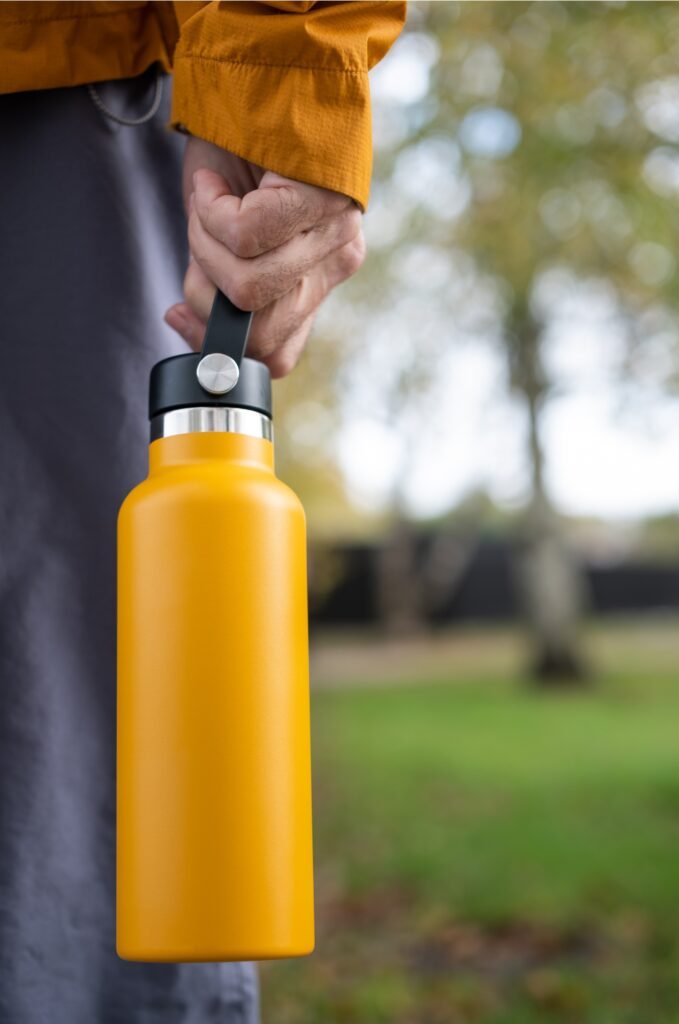
Ceramic Lining
The ceramic lining ensures there is no metallic taste and retains original flavor.
Temp Retention
The double-wall vacuum insulation keeps drinks hot or cold for up to 24 hours.
Best for
Coffee lovers, water purists, and those who want great-tasting drinks all day long.
Pros
Cons
12. Simple Modern
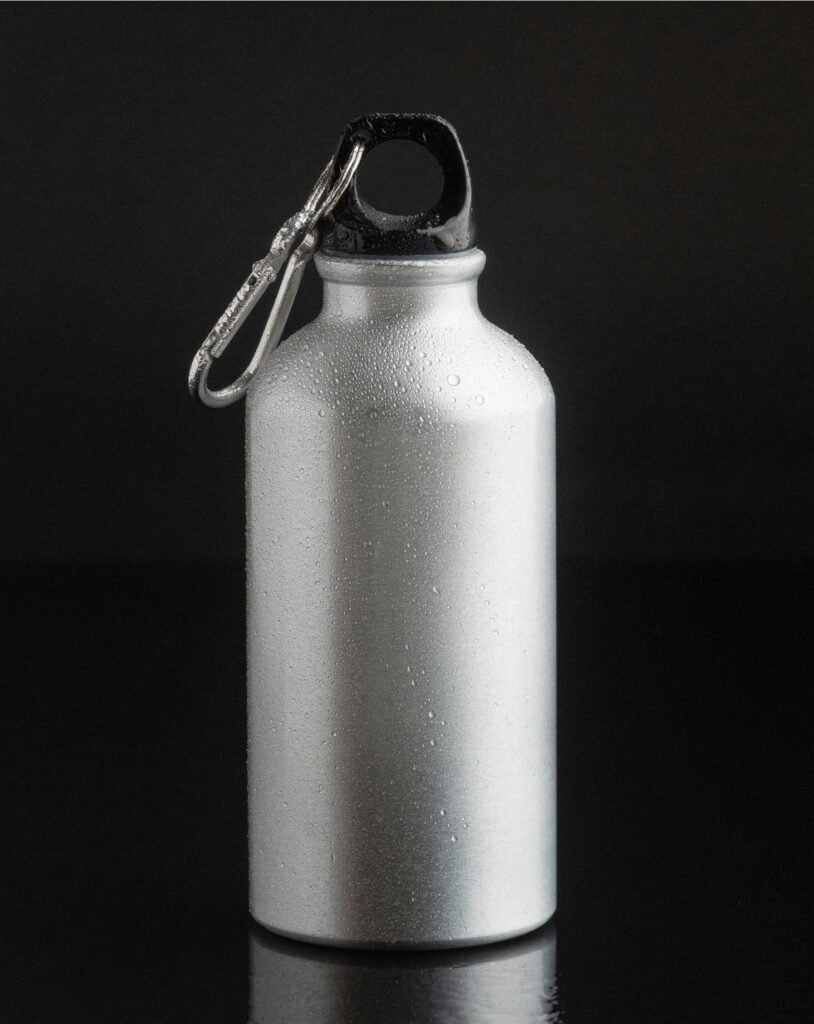
Interior coating
Certified ceramic-lined interiors for protecting flavor and traditional vacuum insulation for temperature retention. The ceramic lining prevents flavors from becoming contaminated with metallic tastes.
Design
Has a sleek and modern design with soft touch surfaces for a balance between style and safety.
Best for
Daily activities such as work, gym, school, or just going out.
Pros
Cons
Related: Non-Toxic Kitchen Items
Bonus: Copper Non-Toxic Water Bottles (Occasional Use Only)
Not Recommended for Daily Use
The copper bottles are based on traditional practices, such as Ayurveda, and can transfer trace amounts of minerals to the water. The copper, however, can leach in excessive amounts, and these bottles should be used for short-term or occasional use, not everyday hydration.
Bonus Pick: Hammered Copper Water Bottles
What people love about them
The hammered copper style is more than just visually appealing; it’s rooted in traditional Ayurvedic thought that copper-infused water is good for digestion.
Safety cautions
- Over-exposure risk: There is a risk of copper buildup if water is left for long periods of time or if large quantities are ingested on a daily basis.
- Acidity risk: Don’t use copper water bottles for storing acidic drinks like juice, soda, coffee, as they can accelerate copper leaching.
How to Use Safely
- Short soak only: Fill for 6-8 hours (overnight is fine for most) and use the same day.
- Clean gently: Rinse daily; soap and a soft bottle brush only. No harsh cleaners that will damage the finish.
- Use as an occasional water source: Copper is a secondary source of hydration.
Who Should Use Copper Bottles
- The curious about traditional wellness habits
- The occasional user for travel, ceremonies, and short outings
- The person who appreciates the look and ceremony of filling a copper bottle
Who Shouldn’t Use Copper Bottles
- The regular drinker who prefers no taste
- The person with digestive sensitivities or Wilson’s Disease
- The person storing an acidic drink for an extended period
How to Choose the Best Non-Toxic Water Bottle for You
The best non-toxic water bottle is the one that fits your daily routine. Use this quick guide to narrow it down.
1. Choose the Right Material
Glass
Best for pure taste and zero leaching
✔ Clean, neutral flavor
✘ Heavier and breakable
Best for home, office, gentle daily use
Stainless Steel (18/8)
Best for durability and everyday use
✔ Long-lasting, corrosion-resistant
✔ Great for insulated bottles
Best for commuting, workouts, travel
Titanium
Best for ultra-pure and lightweight use
✔ Extremely inert and biocompatible
✘ Higher price
Best for hikers, minimalists, frequent travelers
Ceramic-Lined Stainless Steel
Best for flavor without fragility
✔ No metallic taste
✔ Durable exterior
Best for coffee drinkers and all-day use
Copper (Occasional Use Only)
✔ Traditional option
✘ Not recommended for daily, long-term use
2. Pick the Right Size
- 12–18 oz: Light carry, short outings
- 20–32 oz: Ideal for most daily hydration
- 32+ oz: Fewer refills, long days
3. Decide on Insulation
- Insulated: Keeps drinks cold for hours
- Non-insulated: Lighter, simpler, more compact
Choose insulation if temperature matters to you.
4. Match It to Your Lifestyle
- Office & commuting: Glass or insulated stainless
- Gym & active days: Insulated stainless or titanium
- Travel & outdoors: Durable stainless or titanium
- Home & desk use: Glass or ceramic-lined
5. Look for Easy Cleaning
- Wide mouth = easier scrubbing
- Dishwasher-safe is a plus
- Fewer lid parts = less mold risk
6. Check the Details That Matter
✔ Lead-free, non-toxic exterior paint
✔ Leakproof lid
✔ Clear safety disclosures from the brand
Quick Buyer Checklist
✔ Safe materials
✔ Right size for your day
✔ Easy to clean
✔ Built to last
Frequently Asked Questions
Final Thoughts: Choosing a Safer Water Bottle You’ll Actually Use
A non-toxic water bottle is more than just the materials it is made from; it is how it integrates into your life.
Each water bottle listed here is safe, meeting the highest standards:
- No BPA, BPS, or BPF
- No phthalates, PVC, or lead
- Non-toxic interior materials, such as glass, 18/8 stainless steel, titanium, and certified ceramics
- Non-toxic, lead-free exterior finishes
After that, the best one for you depends on your schedule:
- Want the purest taste? Glass or Ceramic Lined
- Want the most durable, insulating container? Stainless Steel
- Want the lightest, most inert container? Titanium
If you’re going to use it frequently, refill it frequently, and wash it frequently, you’ve made the best choice!
Quick Picks by Category
- Best Overall Daily Bottle: Insulated 18/8 stainless steel
- Best Taste Purity: Glass or ceramic-lined
- Best Lightweight Option: Titanium
- Best for Active Lifestyles: Insulated stainless steel
- Copper Bottles: Best reserved for occasional use, not daily hydration
Investing in a safe, well-made water bottle is a small upgrade that pays off daily. Better hydration, fewer toxins, and peace of mind with every sip.
Choosing a non-toxic water bottle is a simple way to reduce daily chemical exposure. For more safe swaps, explore our guides on non-toxic laundry detergents, clean air purifiers, and safe kitchen essentials.
“Whoever drinks the water I give them will never thirst. Indeed, the water I give them will become in them a spring of water welling up to eternal life.” John 4:14 (NIV)