
Best Non-Toxic Diapers for Babies (Safe, Chemical-Free & Dermatologist Tested)
December 18th 2025 The links in this post are regular links. I am not affiliated with any company.
Best Non-Toxic Diapers: Protecting Your Baby’s Skin from Day One
Choosing the right diaper is about more than just absorbency; it’s about protecting your baby’s delicate skin. Since diapers are worn 24/7 during the earliest months of life, parents are taking into consideration what kinds of materials sit directly against their baby’s body. The best non-toxic diapers come designed to reduce exposure to harsh chemicals while keeping babies dry and comfortable.
Many conventional diapers can contain ingredients that raise red flags for sensitive skin and long-term health. These can include chlorine used in bleaching, added fragrances that trigger irritation, petroleum-based plastics, and even PFAS-often called “forever chemicals.” For babies prone to rashes, eczema, or allergies, these can make diaper changes painful and stressful.
The guide that follows outlines a well-researched list of safer diaper options for parents, focusing on clean materials and skin-friendly design. Each recommendation is an in-depth look at non-toxic standards, transparency, and performance while being conveniently available on Amazon with the goal of helping families make confident, informed choices without feelings of overwhelm.
What Makes a Diaper Truly Non-Toxic?
Not all diapers labeled “natural” or “eco-friendly” are created equally when it comes to safety. A truly non-toxic diaper is designed to minimize your baby’s exposure to noxious chemicals while still providing comfort, absorbency, and leak protection. Below, this buying guide explains the specific criteria I used to identify safer diaper options for sensitive skin and overall health.
Key Safety Criteria I Looked For
No Chlorine Bleaching:
- Traditional diaper bleaching can create harmful byproducts like dioxins.
- I prioritize TCF (Total Chlorine Free) diapers, which are bleached completely without any chlorine.
- Elemental Chlorine Free or ECF options were explored only if TCF options were not available.
Plant-Based and Responsibly Sourced Materials:
- FSC-certified wood pulp used in diapers supports responsible forestry practices.
- Plant-based liners and bioplastics cut the usage of oil-based materials.
- These materials are often gentler on baby skin and better for the environment.
Free From Fragrances & Dyes:
- Artificial fragrances and dyes are possible causes of rashes, irritation, and allergic reactions.
- Diapers with no fragrances, lotions, inks, or heavy metal dyes were selected.
- Fragrance-free diapers also come in handy, particularly for babies.
No Harmful Chemicals:
- Typical disposable diapers may contain chemicals known to cause hormone disruption or contact dermatitis.
- I excluded diapers with:
- Phthalates
- Parabens
- Bisphenols (BPA, BPS, BPF)
- Tributyltin (TBT)
- PFAS (“forever chemicals”)
Safe Adhesives and Plastics:
- Adhesives, fasteners, and glue can be unsuspected sources of toxicity.
- I sought out non-toxic glue and companies whose products use fewer petroleum-based plastics.
- Less plastic content translates to lower exposure to chemicals as well as reduced negative impacts on the environment.
Trusted Certifications:
- They offer traceability and transparency.
- I prioritized diapers with the following features:
- EWG Verified (strict ingredient safety standards)
- OEKO-TEX® Standard 100 (tested for harmful substances)
- FSC Certification (responsibly sourced paper materials)
- Nordic Swan Ecolabel
- Dermatologist testing for skin safety
The Best Non-Toxic Diapers for Babies (Reviewed)
1. Coterie Diapers

Coterie is a premium diaper brand featuring clean ingredients, fantastic absorbency, and a soft, comfortable feel. They’re also a favorite among parents whose babies have super sensitive skin or experience frequent rashes. Best For: Ultra sensitive skin & high-end performance
Key Non-Toxic Highlights
Materials & Safety Standards
Absorbency & Fit
Pros/Cons
Who These Are Best For: This is the best choice for parents prioritizing non-toxic material with performance, including rash-prone babies or heavy wetters.
2. EWG Verified Safe & Plant-Based Diapers
EWG Verified diapers represent the highest standards for ingredient safety and disclosure for the Environmental Working Group and are a good choice for families concerned about clean, clearly labeled products. Best For: Parents who want strict ingredient transparency
EWG Verification Explained
Plant-Based & Chlorine-Free Features
Safety of Skin
Pros/Cons
Who These Are Best For Ideal for parents looking for ingredient safety and transparency in their products and are reassured by third-party verification.
3.Bambo Nature Hypoallergenic Baby Diapers
Bambo Nature diapers always stand out for their ability to offer strong performance along with strong adherence to environmental and skin-safety standards, which is why this brand is trusted for babies with sensitive skin. Best for: Environmentally conscious families & babies with allergies
Nordic Swan and FSC Certifications
TCF Bleaching Process
Dermatologically Tested Benefits
Pros/Cons
Who These Are Best For Ideal for families looking for an environmentally responsible diaper that can be gentle for babies with allergies or eczema.
4. Parasol Clear+Dry Disposable Diapers
Parasol Clear+Dry focuses on the cleanliness of materials, not compromising on performance with effective leak protection and less harsh chemicals. Best for: Non-toxic diapers and excellent leak protection
RashShield™ Skin Protection
Chlorine & Fragrance Free
Performance vs. Sustainability
Pros/Cons
Who These Are Best For: Excellent for parents who are looking for a more hygienic-disposable-diaper with reliable performance, but not at a high-end price tag.
5. Earth & Eden Sensitive Diapers
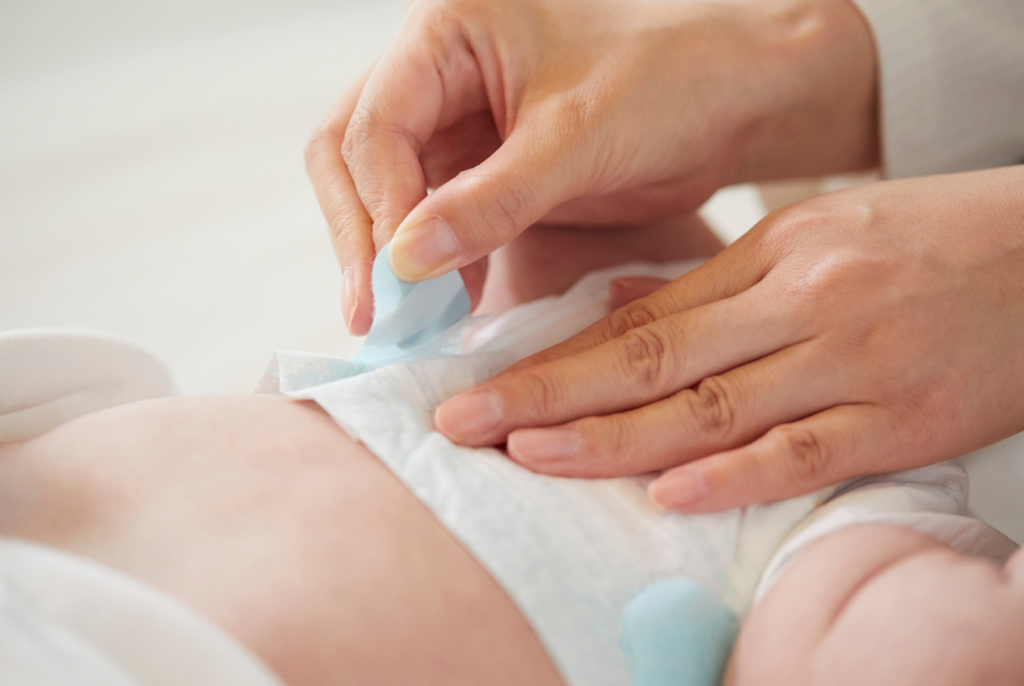
The Earth & Eden diapers serve as a cost-effective solution for parents wanting easier access to cleaner materials, thanks to convenient availability through Amazon. Best For: Those who need an affordable non-toxic option on Amazon
Ingredient Disclosure
ECF vs. TCF: Clarification
Comfort & Absorbency
Pros/Cons
Who These Are Best For: Best for families who want a safer, non-toxic diaper at a lower price point, especially for daytime or backup use.
6. Naty BioEmbrace Baby Diapers
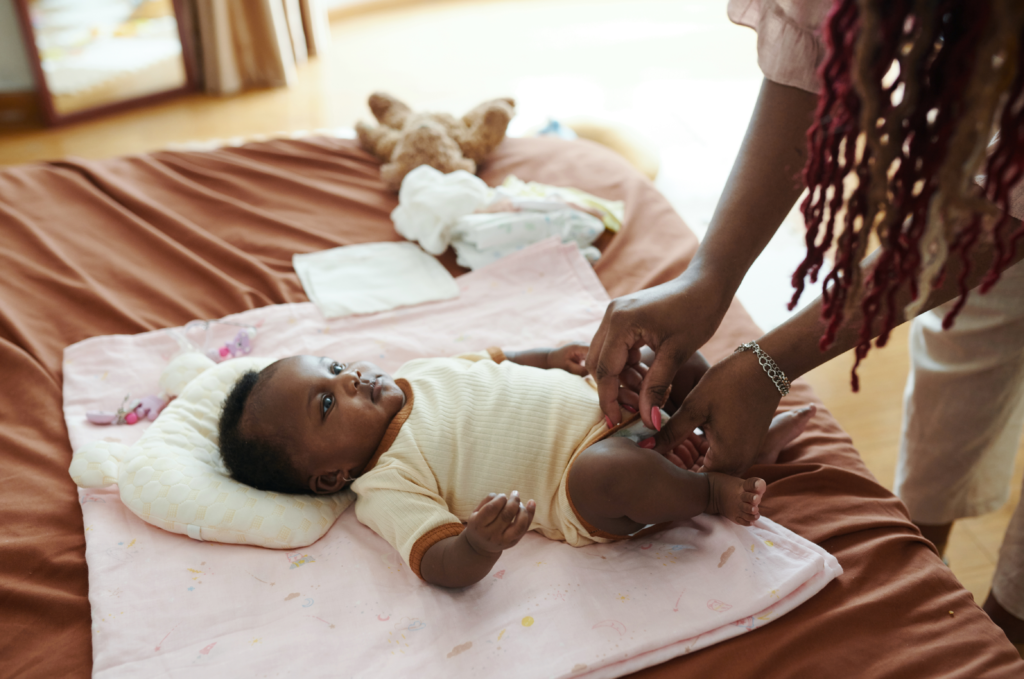
Naty BioEmbrace diapers feature a strong bio-component and unique design features and are a favorite for earth-conscious parents and their newborn babies. Best For: Bio-based focus & newborns
Bio-Based Content
Chlorine-Free & Fragrance-Free
Sustainability Focus
Pros/Cons
Who These Are Best For: Best for families seeking plant-based, chlorine-free diapers, especially for newborns or babies with sensitive skin.
7. ATTITUDE Eco-Conscious Disposable Diapers
ATTITUDE diapers are designed with a strong emphasis on environmental responsibility and skin safety, backed by recognizable third-party certifications. Best For: Families prioritizing eco-certifications
Plant-Based & Dermatologically Tested
Plastic Reduction Approach
Pros/Cons
Who These Are Best For: Ideal for families who look out for such ecological certificates and need a greener, more environmentally friendly disposable diaper.
8. DYPER Newborn Diapers
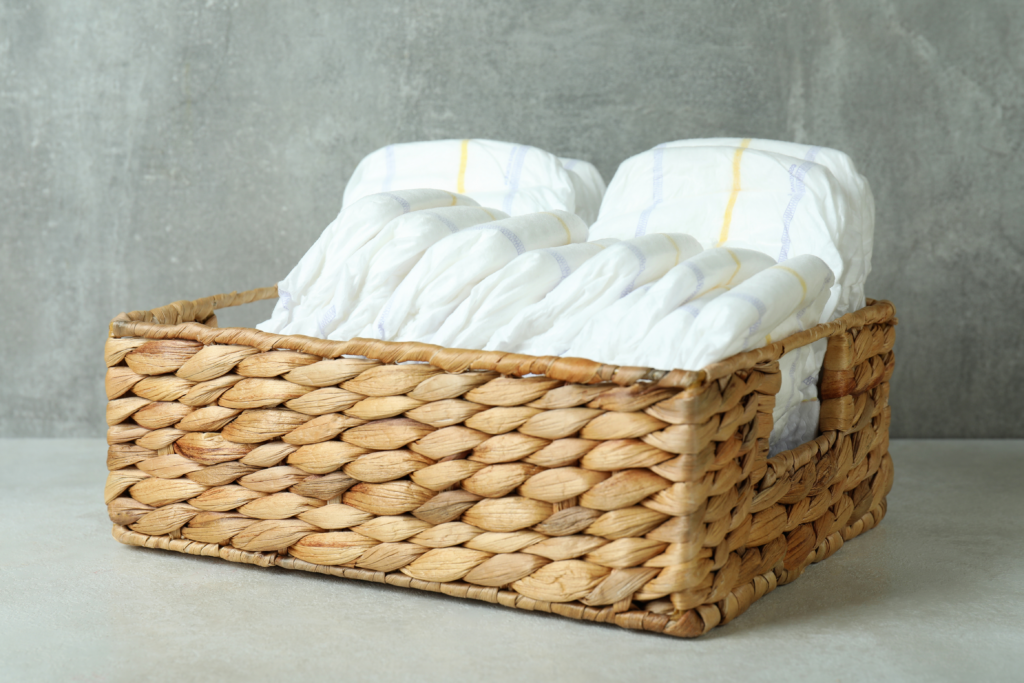
The DYPER New Born Diaper brings sustainable design, offering purer materials and a fit designed for a newborn. Best For: Compostable-minded & eco-forward parents
Ingredient Philosophy & Transparency
Chlorine-free & PFAS-free
Fit & Newborn Features
Pros/Cons
Who These Are Best For: The best for eco-conscious parents who are seeking a chlorine-free, PFAS-free diaper designed just for newborns, especially in the first few months.
Related: Non-Toxic Laundry Detergent
How to Choose the Best Non-Toxic Diaper for Your Baby
“The best” non-toxic diaper will vary from baby to baby because each child is unique. Below are the considerations that will ensure that the chosen non-toxic diaper is effective and meets all other preferences and requirements independently.
Skin Sensitivity vs. Budget:
- Infants with eczema, rashes, or highly sensitive skin may require the cleanest, fragrance-free diapers, a bit more expensive, perhaps.
- If your baby does not have any issues with their skin, then you can opt for a mid-range non-toxic one that does not use harsh chemicals.
- Furthermore, parents might combine different products; high-end ones at night and cheaper clean ones in the day.
Newborn vs. Overnight Demands:
- For newborns, diapers will need to be even more gentle and fragrance-free because the skin is thinner and more delicate.
- Diapers should be chosen with a soft underside and flexible fit to avoid irritation in the area surrounding the umbilical cord.
- In terms of overnight wear, high absorbency and leak prevention are given priority without compromising on non-toxicity.
- In some eco-friendly diapers, the absorbency capacity is low. Purchasing a pack for a trial night test might help.
Eco Priorities vs. Performance:
- The fully plant-based and biodegradable diapers are very good for the planet; however, they may not always be leak-proof like biodegradable diapers.
- A combination of plant materials and some safe synthetics will make a diaper a balance of sustainability and functionality.
- Think about what is most important to you: eco-effectiveness, chemical savings, or leak reductions, and make a choice.
Certifications that Matter the Most :
- Search for third-party certifications that confirm the safety claims and avoid relying entirely on marketing speak.
- OEKO-TEX Standard 100 and EWG Verified are two examples of certifications that check for harmful materials.
- FSC certification confirms responsible sourcing of wood pulp.
- “Dermatologist-tested” or “hypoallergenic” formulations may provide an additional level of protection for fragile skin, particularly
You don’t have to choose between non-toxic diapers and non-existent diapers. The key to non-toxic diapering is finding those which maintain a healthy and safe environment for baby while staying within your financial boundaries.
Frequently Asked Questions
Final Thoughts On Non-Toxic Diapers
Choosing non-toxic diapers doesn’t mean you have to compromise on performance. Modern safer diapering solutions ensure your baby stays happy, comfortable, and dry. Many brands offer absorbency, leak protection, and softness comparable to conventional diapers.
When looking for the best diapers for your baby, keep in mind their individual needs, as well as your own values and way of living. Whether you’re concerned with sensitive baby skin, nighttime protection, or eco-friendly materials, there’s a safe choice that fits seamlessly into your routine.
Take a minute to consider carefully screened options on Amazon. Sizes, reviews, and availability can save you and your baby a world of hassle as you seek out the best possible fit for your child through diapering.
If you’re focused on creating a low-toxin environment for your baby, you may also find our guides on non-toxic laundry detergents, clean air purifiers, and safe kitchen essentials helpful.
“And he took the children in his arms, placed his hands on them and blessed them.” Mark 10:16 (NIV)